When your career has been built on talking, you lose sight of the power of words. I wish I could capture how many words I’ve spoken to people over the years. I’m sure the number would be astronomical !! Being a human resources practitioner, my entire day is filled with conversations. There are few minutes that aren’t filled with massive amounts of words. I’m not complaining. It’s merely an observation that is often overlooked.
When you think of all of the interactions you have at home, online, and more, you’ll notice that you’re more verbal than you had considered. Without being conscious of the free flow of words being uttered by you, it’s easy to state something that could be misconstrued. You may not have intended any harm by what you said, but it happens. And after someone is hurt by what you stated, you find yourself pouring out a waterfall of words, trying to give context or asking for understanding.
My wife Debbie and I have been married for 37 years. This past weekend, we attended a marriage conference because we’ve always believed that we can learn something about each other. During one of the sessions, we learned about the power of our words. As I mentioned earlier, my word usage is voluminous because of the work I do. Attending a conference and pausing allows you to be more reflective than you normally are. Once you escape the pace of your normal daily routine, you can become more aware of how you speak and behave towards others.
The session was so meaningful because we talked about the tone of how we speak to each other and others in general. Being cognizant of tonality helps you be clear about the emotion and intent behind your words. One of the speakers also introduced the TKN model she had learned during her counseling and coaching career. She encouraged everyone to speak words only if they were: True, Kind, and Necessary.
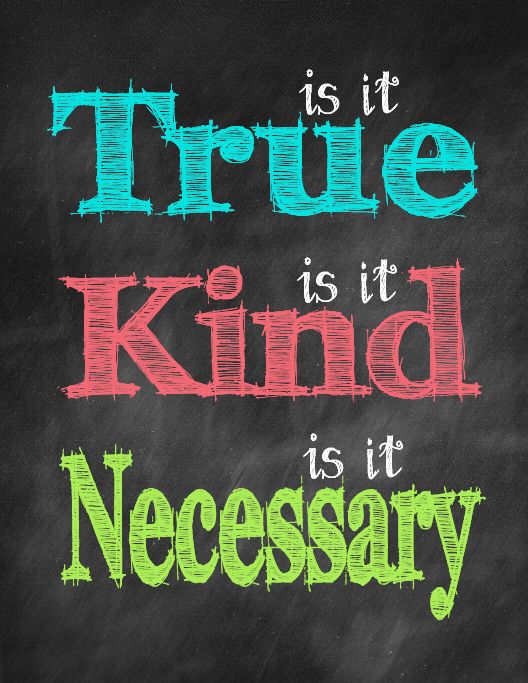
When she shared that, I sat in my chair silently. I honestly couldn’t say if what I said throughout my day followed this model at all. Sure, I get my message out quickly and easily, but I never find myself slowing down enough to be mindful of what I’m saying. I find that most people skip past this step in communication. We are so used to instantly responding when someone talks to us. The rapid-fire pattern is followed whether it’s verbal or digital. We have convinced ourselves that if we don’t give and receive instant responses, then something has gone wrong.
When we broke away to have some time alone as a couple from the other who were at the conference, we both shared how impactful following the TKN model would be for us. I apologized for the times in our lives together when my words were careless or pointed. We’ve been very close and grateful for each other for almost four decades. Adding this tool to our communication quiver was just the tweak we needed.
It made me also contemplate how my conversations at work would improve if I applied the TKN approach there. I am positive I have more than enough time to slow down and pause before spitting out an immediate response. I could still be mindful about the need to get back to others, but I didn’t need to instantly start banging away on my keyboard. I could take time to make sure my words were true, kind, and necessary. I feel that incorporating this would change my tone, my level of engagement, and establish a method of more intentional communication with others.
I want to break the pattern of being instantaneous. Having this TKN tool in my pocket may be just what I need to reset how people use their words at work as well. We could avoid snap replies, defensive language, and unnecessary frustration. Companies are always searching for how to truly improve communication. These three letters seem to offer a simple approach to an ever-present problem.
This week, slow down and be more mindful. Make sure your words going forward are true, kind, and necessary. See how your relationships immediately improve !!